Caregiver Selection and Training Standards
We prioritize the selection, training, and evaluation of caregivers before they start work to ensure families and hospitals can trust that caregivers are fully prepared in skills, responsibility, and attitude.
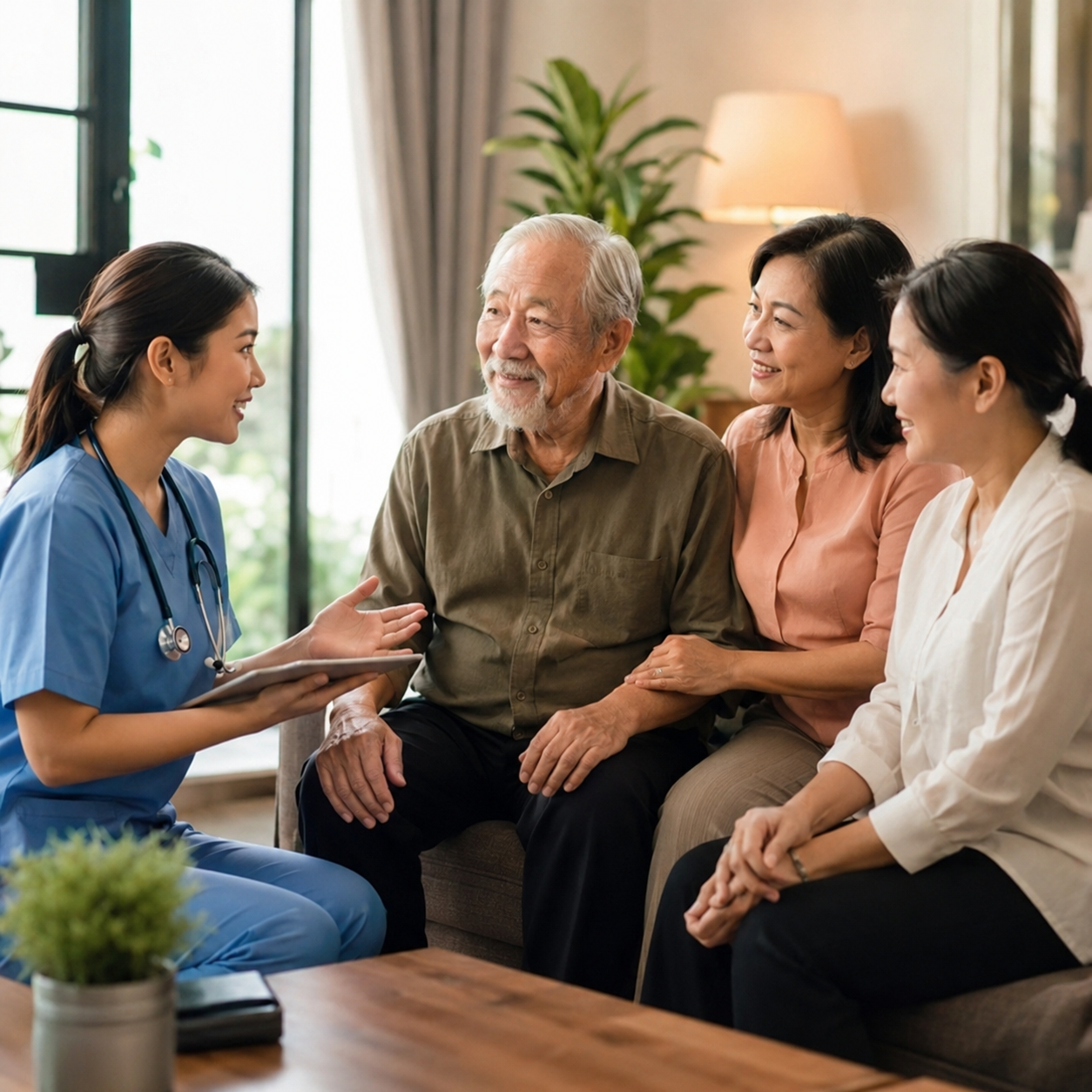
Standards Before Accepting Caregivers into the System
Every step is designed to reduce care risks and build confidence for service recipients from day one.
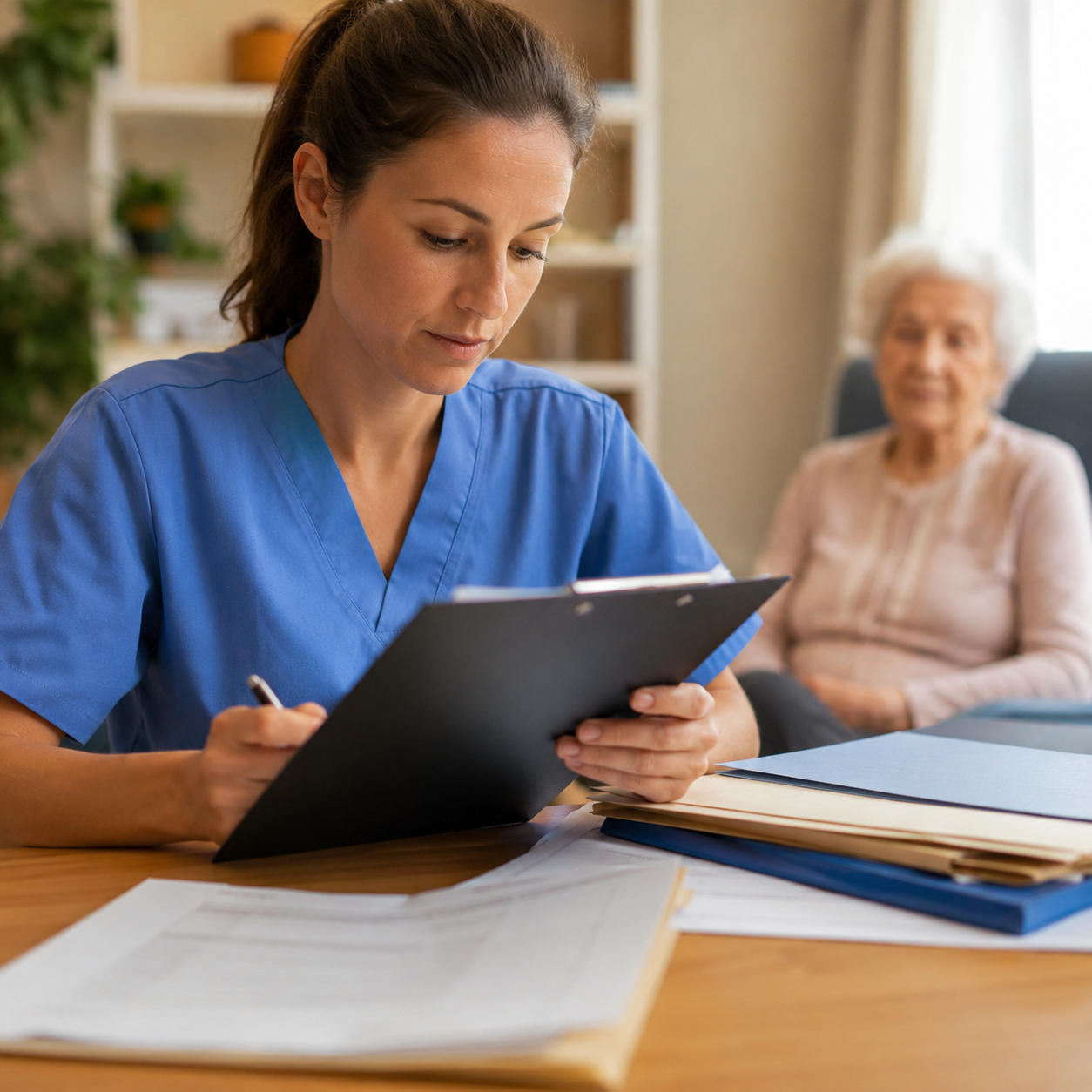
Verification of Personal Information and Background
Caregivers must pass verification of personal data, work experience, and suitability for elderly or patient care tasks.

Interview on Attitude and Responsibility
We assess attitude, patience, communication, and understanding of the family to ensure suitability for both short-term and long-term care.
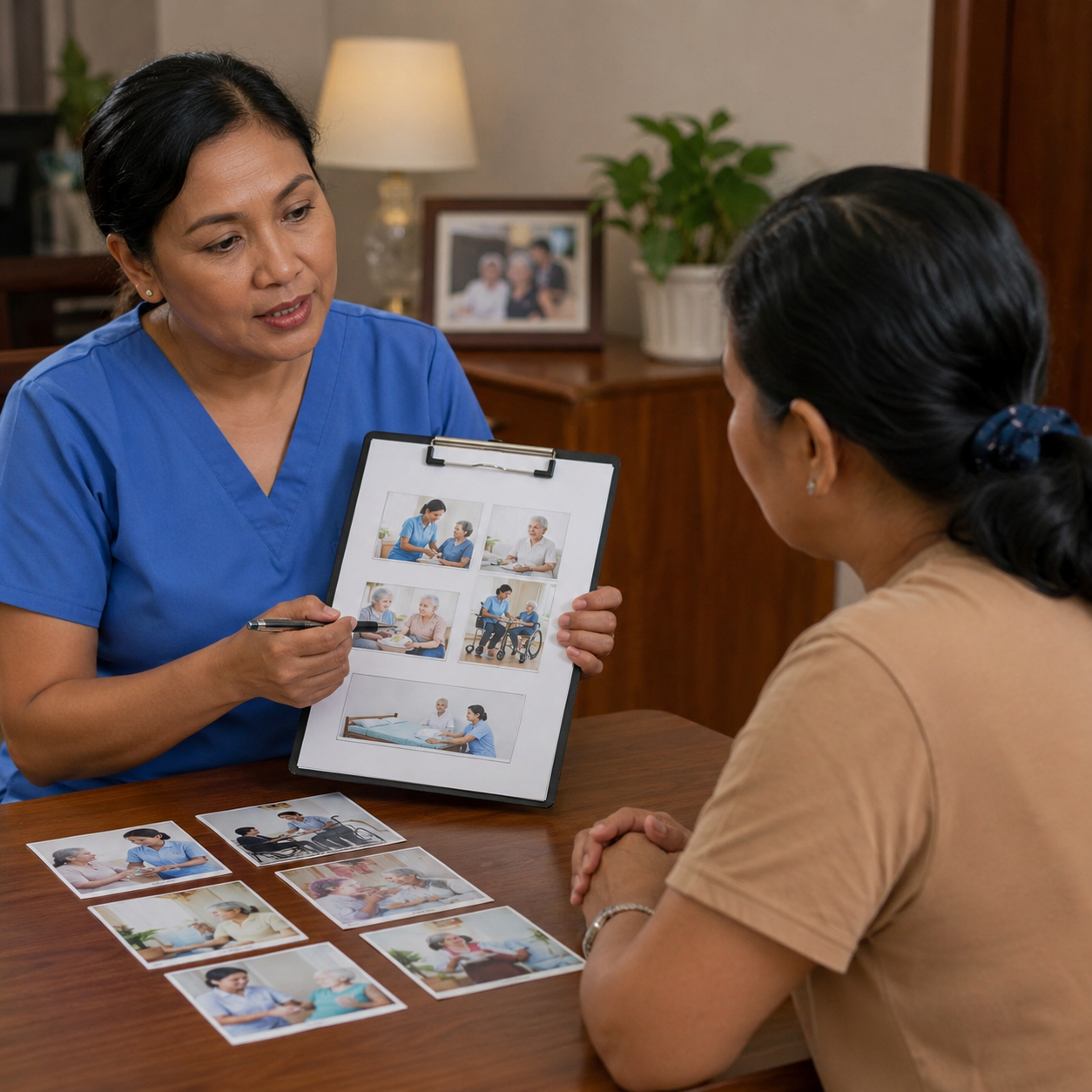
Basic Care Understanding Test
Caregivers must understand assistance with daily activities, hygiene, nutrition, medication, safety, and recognizing abnormal symptoms.

Matching Caregivers to Case Characteristics
Our team considers care level, chronic diseases, patient behavior, and family needs to select the most suitable caregiver for each case.
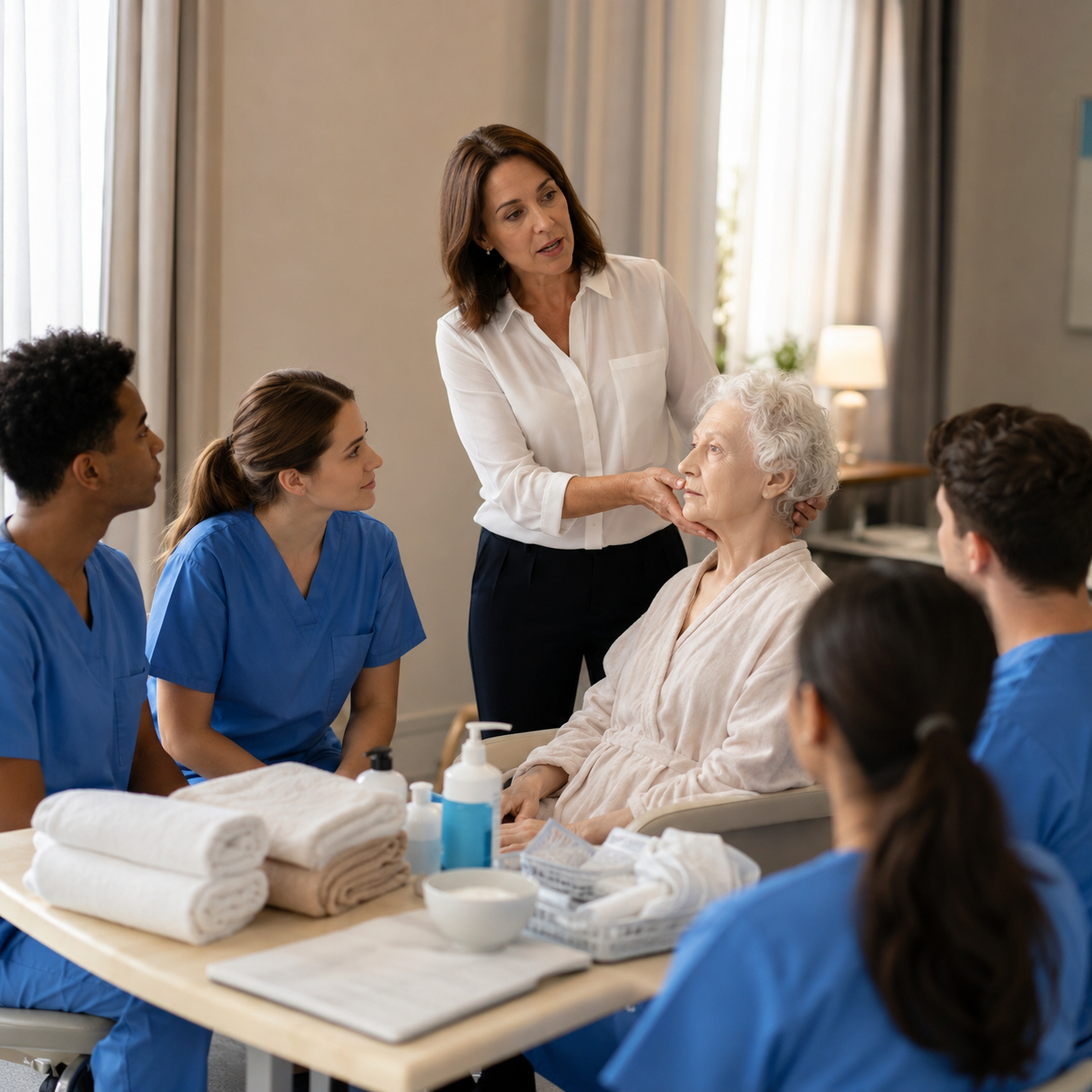
Training Topics Focused on Practical On-Site Use
Training content emphasizes real situations caregivers encounter at home, hospitals, and cases requiring close monitoring.
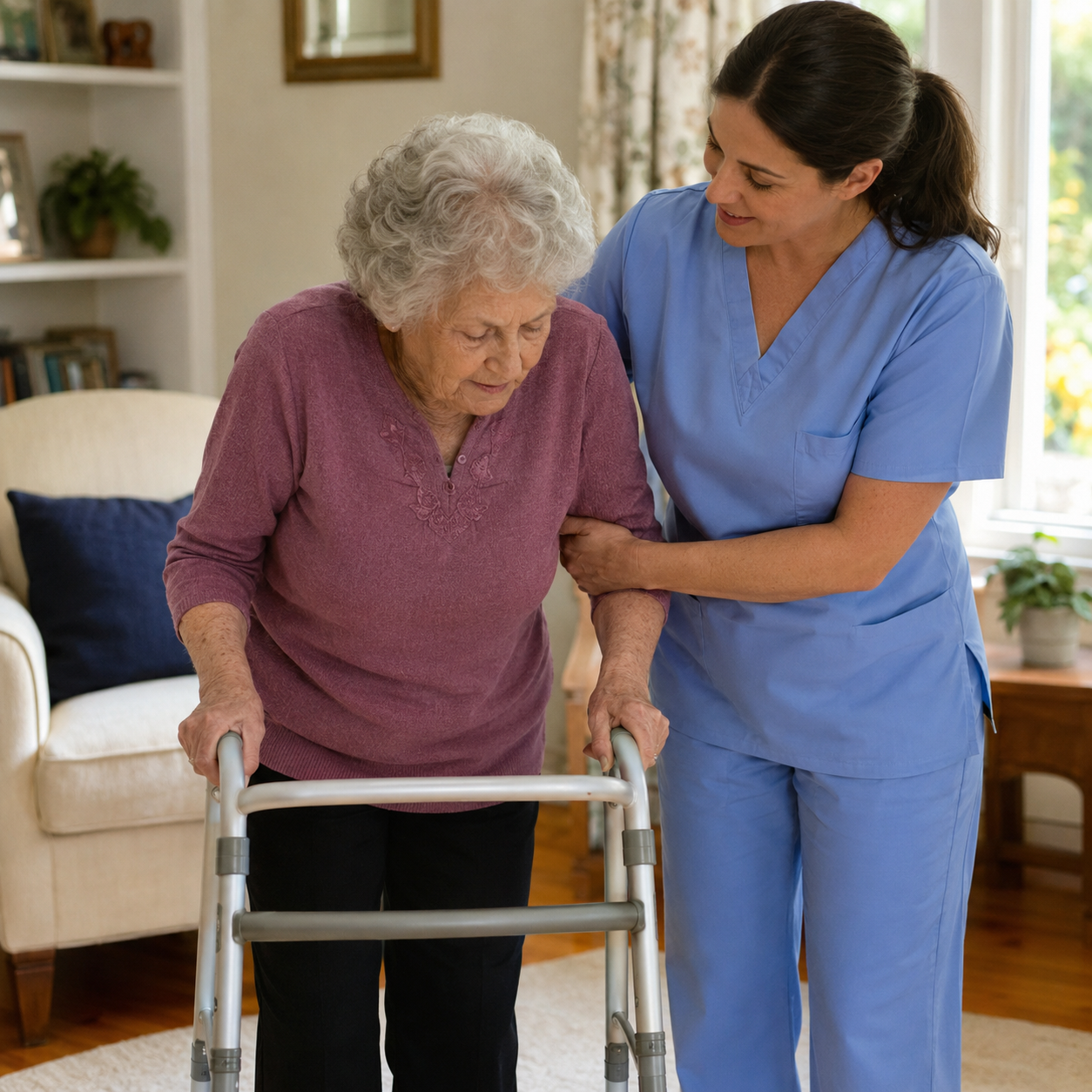
ADL and Assistance with Daily Activities
Training on helping with sitting up, walking, bathroom use, repositioning, and safely managing daily routines.
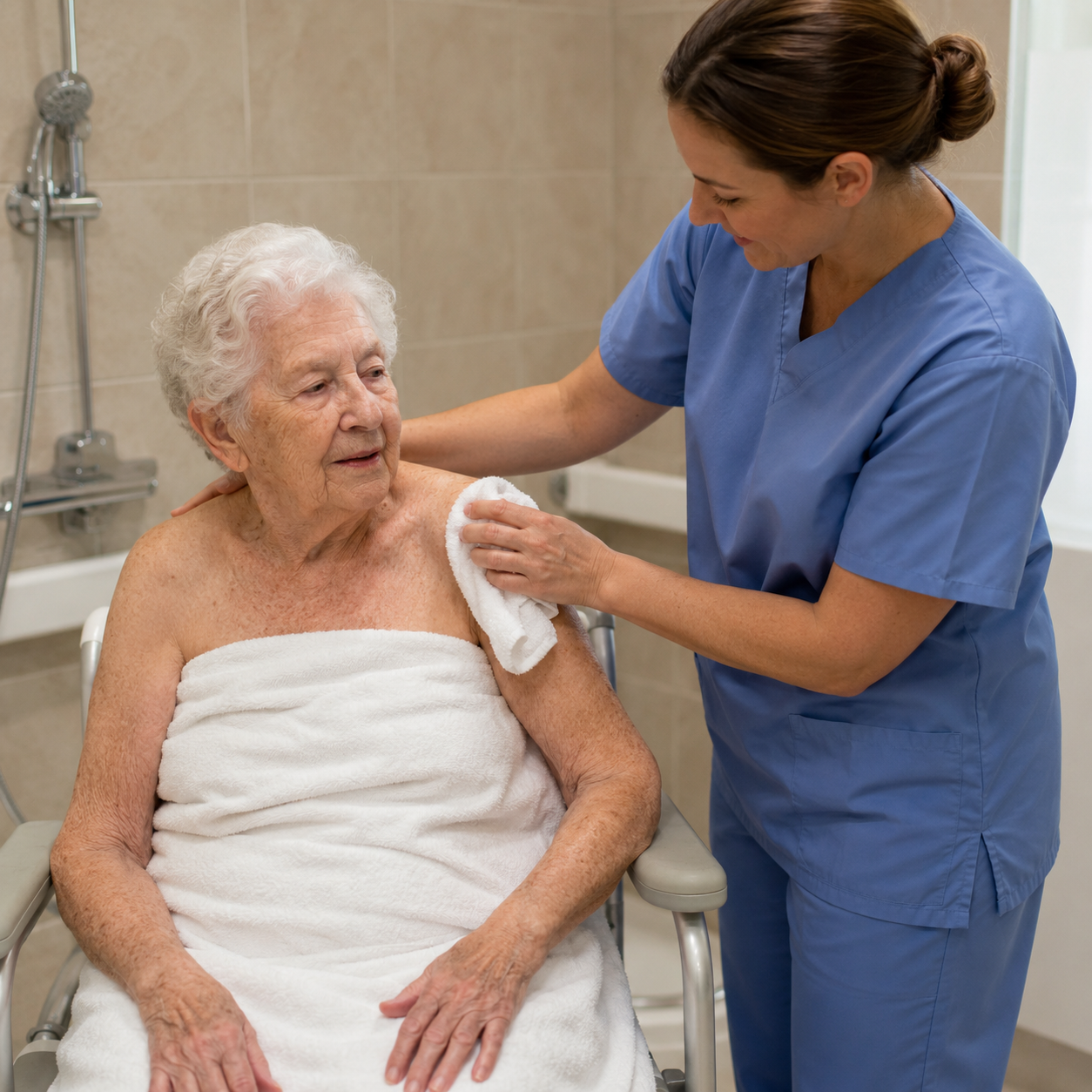
Hygiene and Pressure Ulcer Prevention
Focus on body cleanliness, changing linens, skin care, and repositioning to reduce pressure ulcer risks.
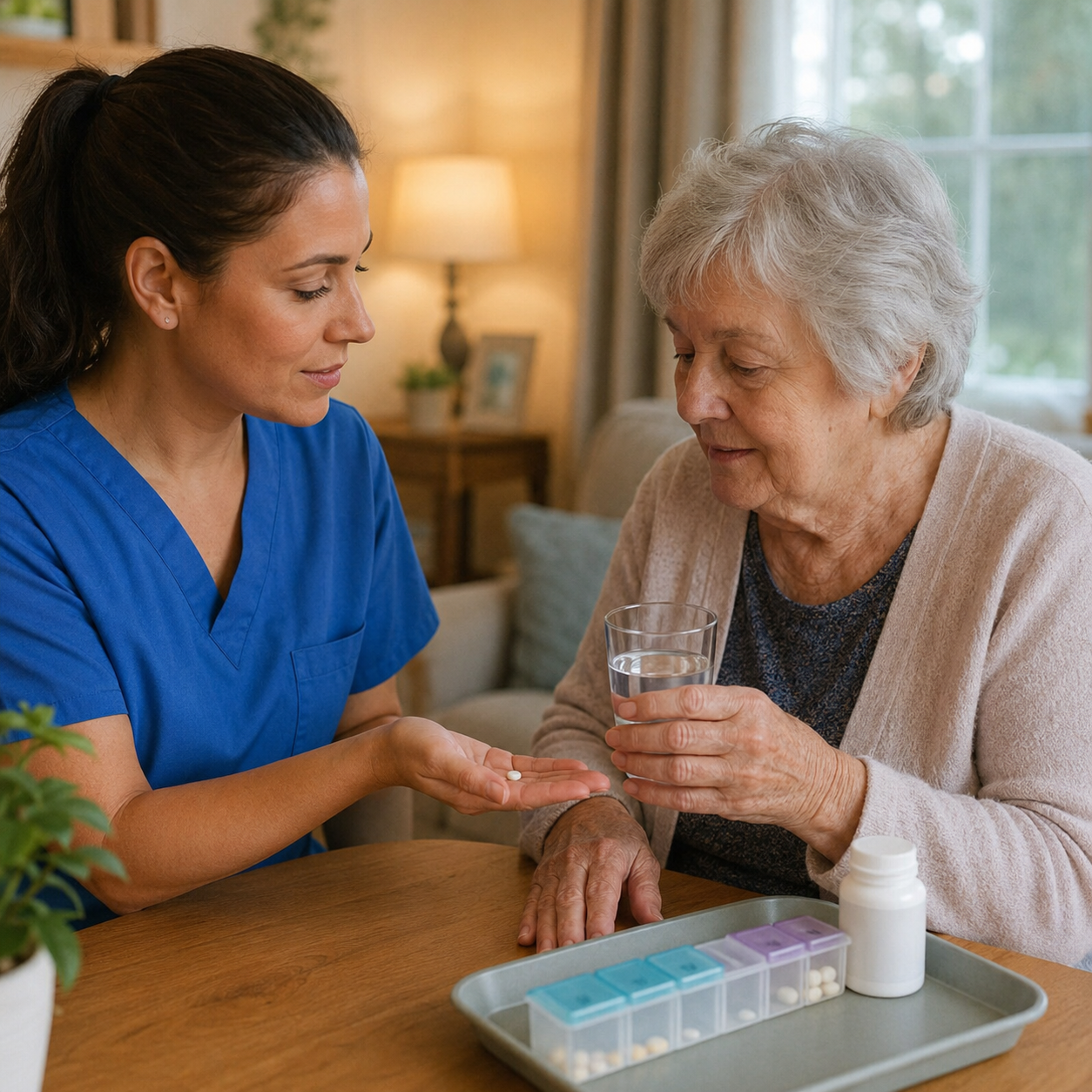
Nutrition, Medication, and Daily Record Keeping
Training on assisting with meal preparation according to restrictions, medication reminders, and recording important information to report to families.
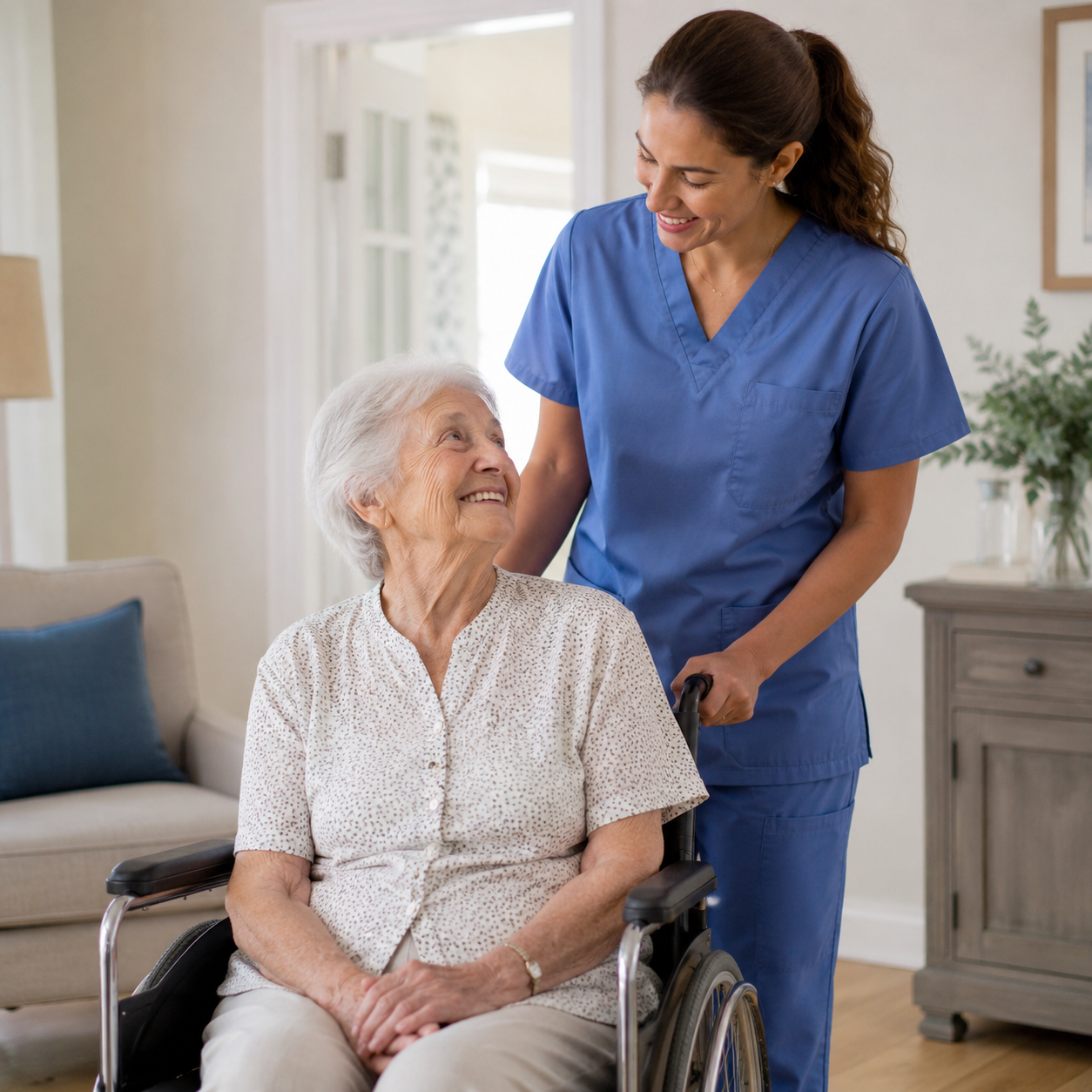
Safety and Fall Prevention
Teaching environment arrangement, walking support, wheelchair use, and monitoring risk points at home or hospital.
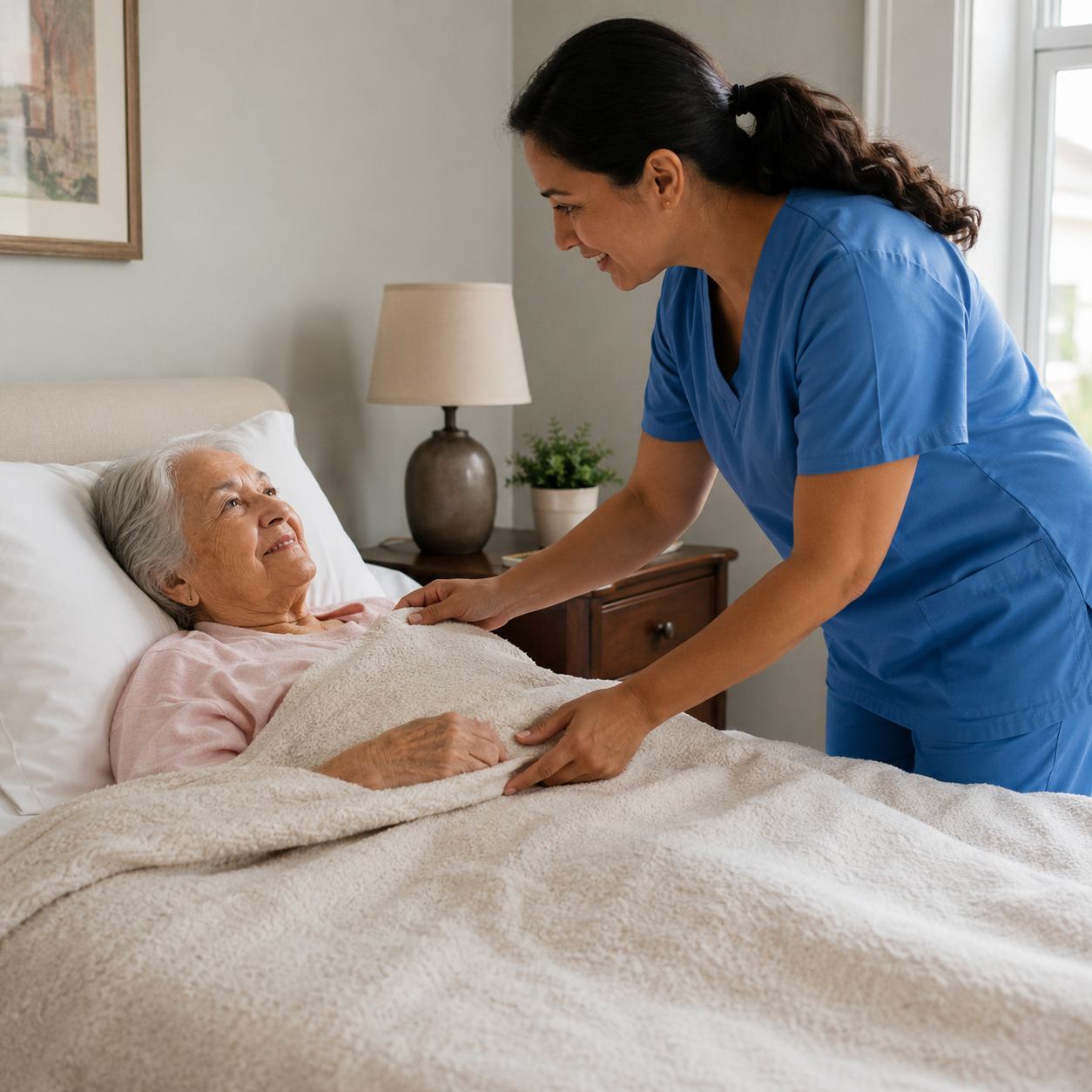
Specialized Case Care
Enhancing basic understanding for Stroke, Dementia, Alzheimer’s, bedridden patients, and post-surgery care cases.
Communication with Families and Care Teams
Training on symptom reporting, information handover, and systematic coordination with families, nurses, or hospital staff.
Confidence with Systematically Selected and Trained Caregivers
Contact our team for an initial case assessment and receive recommendations for caregiver types suitable for elderly, patients, or your family’s specialized cases.